We examine how stories can be simulated rather than just told.
Our approach bridges the gap between traditional filmmaking and analytical inquiry.

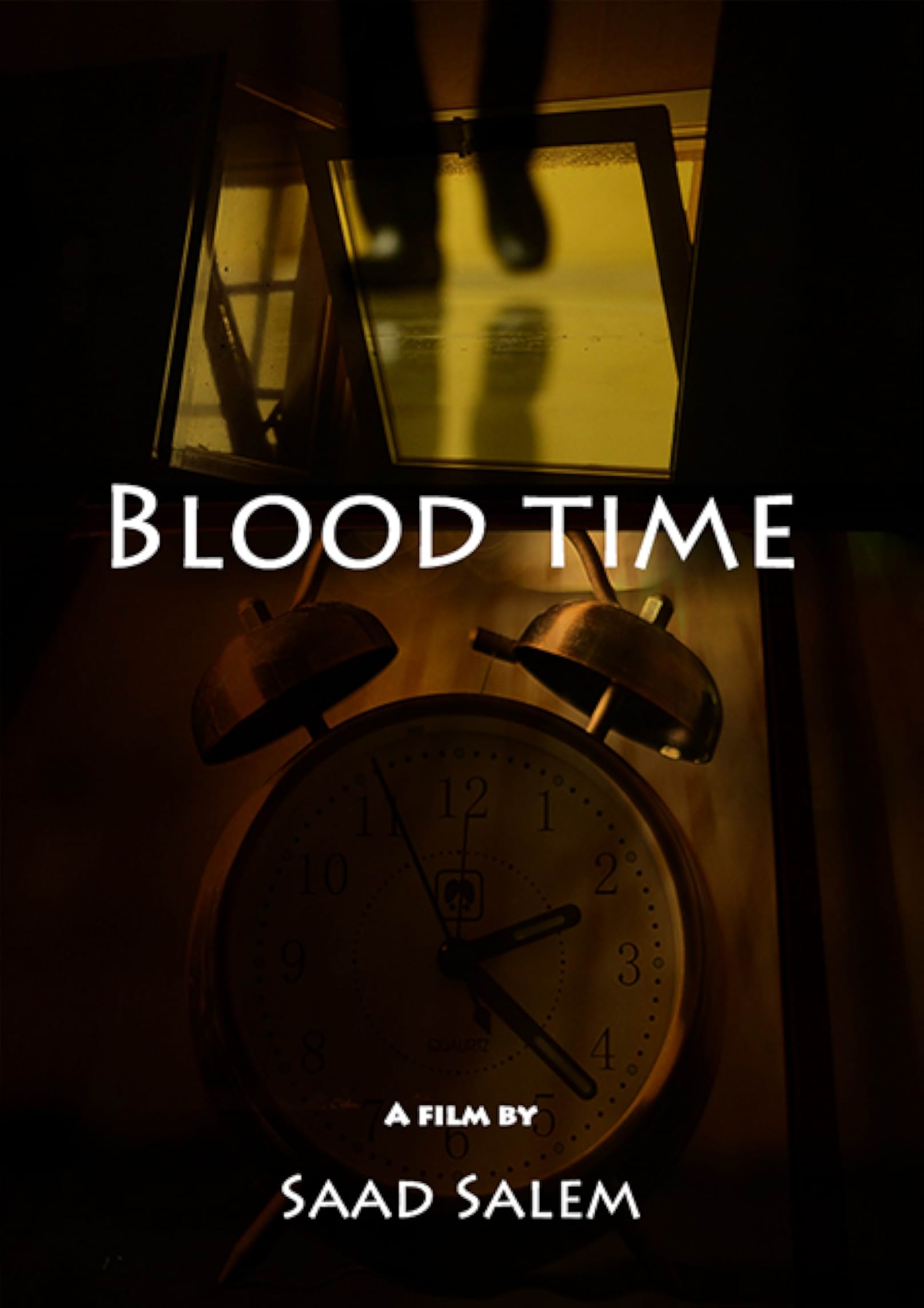
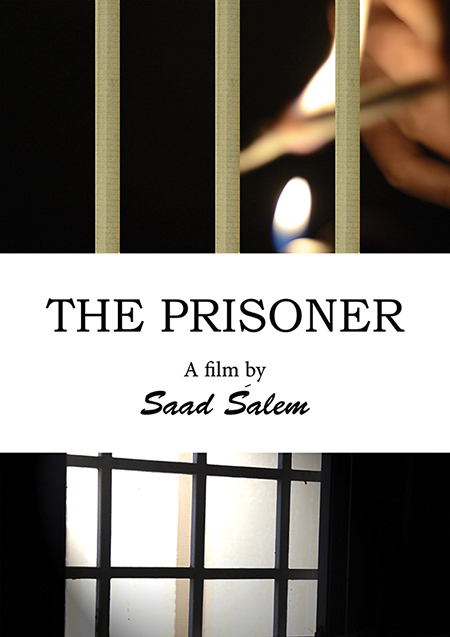
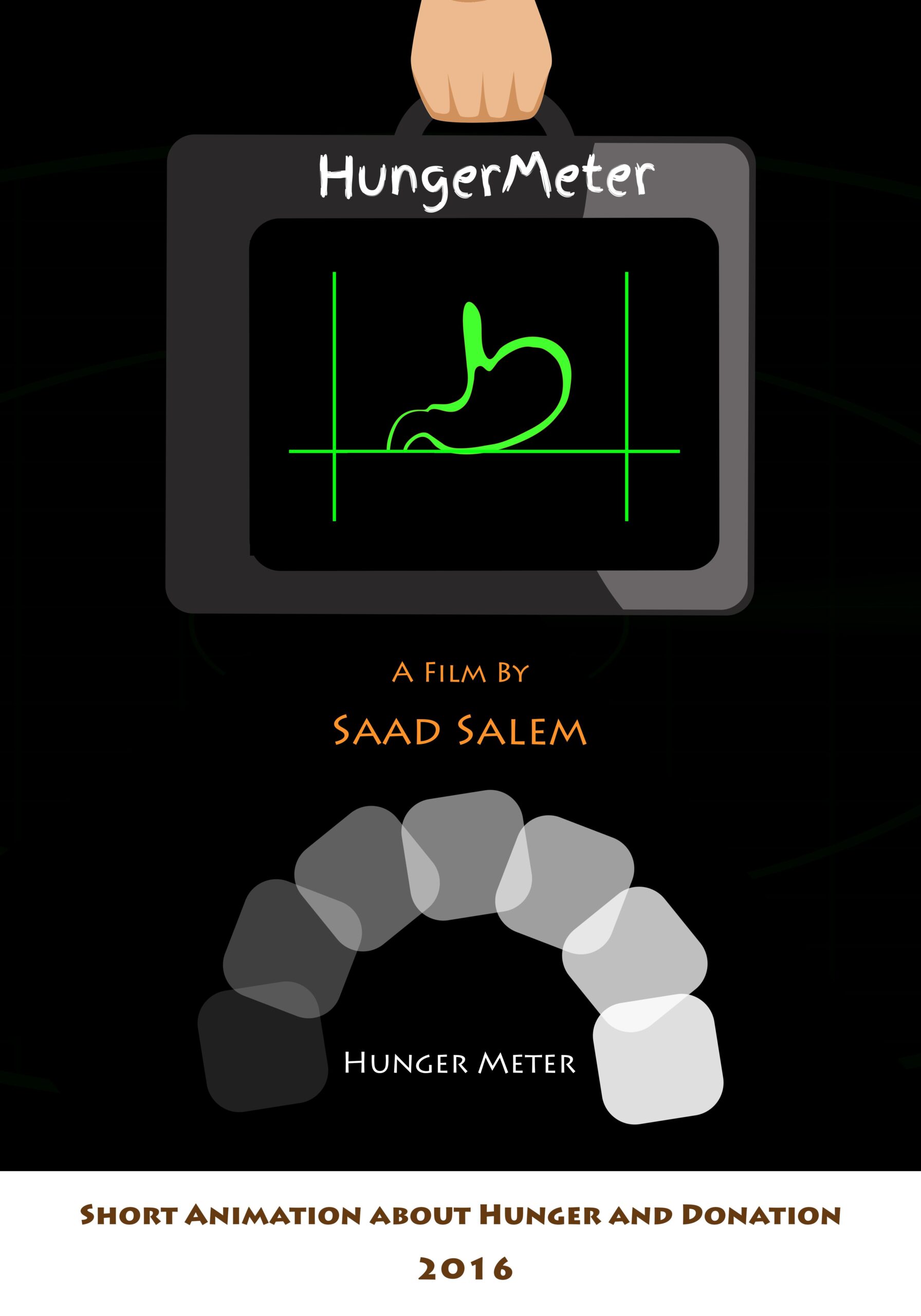
Short films since 2015. New project in development.
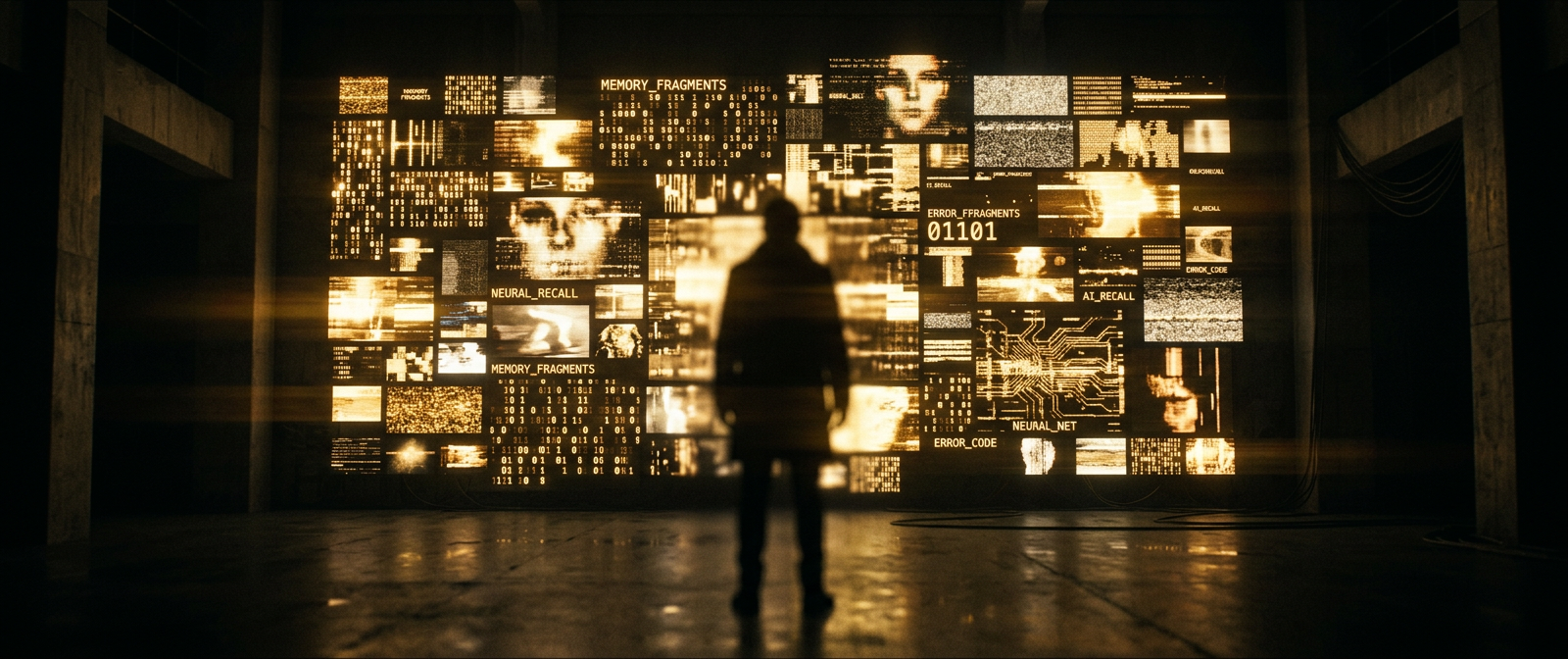
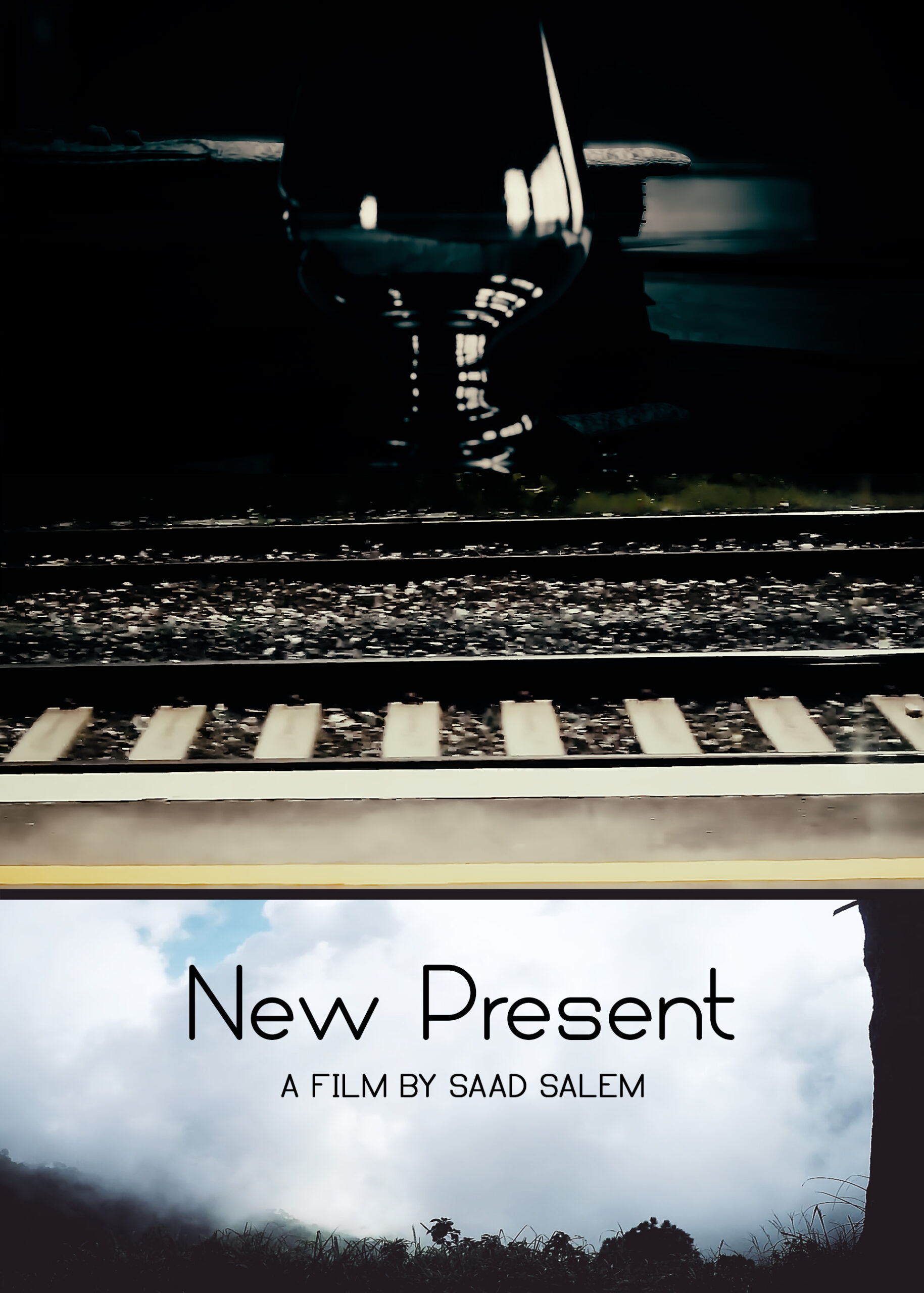
A film about what remains. When a person moves — across borders, across platforms, across the versions of themselves they inhabit at different points in life — they leave traces. This film follows those traces: not as data, but as evidence of a particular kind of human presence that is hard to name and harder to hold.
Visual Laboratory
A space for exploration at the intersection of cinema, narrative, and structured thinking.
We examine how stories can be simulated rather than just told.
Our approach bridges the gap between traditional filmmaking and analytical inquiry.
Dynamic story engines.
Simulating character and social tension.
The architecture of the image and what lies beyond the frame.
Observations and questions that run alongside the work — not conclusions, just things worth writing down.
Film does not record memory — it reconstructs it. Every cut is an act of editing what the mind would prefer to leave intact.
The way people consume images has changed. The question is not how to compete with shorter attention spans — but what new forms become possible because of them.
A frame is always a decision about what not to show. The excluded space carries as much weight as what is visible — sometimes more.
I do not start with a story. I start with something I cannot stop noticing — a pattern in how people speak about the past, a particular quality of stillness in a space, a gap between what someone says and what their body is doing. The film comes from following that observation until it produces a form.
My training was in economics, not film. That probably shows. I think about cinema the way an economist thinks about markets — as a system with its own rules, incentives, and blind spots. I am interested in what the system makes possible and what it makes invisible.
Writing has always come first. Before a film is a film it is a question, and before that it is a habit of looking. I have been writing — scripts, treatments, notes on images that do not yet exist — since before I made any of the films. Most of that writing will never become anything. That is part of the process, not a failure of it.
Cinema, for me, is a way of making a question visible. Not answering it — making it visible.